Lisbon, Slowly: Light, Tiles, and the Art of Stayingליסבון, לאט לאט: אור, אריחים, ואמנות הישארות

Editorial note: I write from personal experience. When a stay or trip was hosted or sponsored, I say so in the article. Opinions are always my own. Read my editorial standards →הערה עריכתית: אני כותבת מניסיון אישי. כששהות או טיול היו באירוח או בשיתוף פעולה ממומן, אני מציינת זאת במאמר. הדעות תמיד שלי. לסטנדרטים העריכתיים שלי ←
Lisbon does not reveal itself to people who are rushing. I learned this on my first visit, when I spent three days trying to cover the city systematically, Belém, Alfama, Chiado, Mouraria, and came home feeling I had seen everything and understood nothing. The second time, I came with a shorter list and more space in the day. I sat in one café for two hours. I climbed three hills in an afternoon and did nothing else. I watched the light move across the terracotta rooftops until it turned everything pink. That was when Lisbon finally let me in.
Slow Mornings: Nata and the Art of Waiting
Begin at Manteigaria, on Rua do Loreto in Chiado. It is a pastelaria and a small theater at the same time. Through the glass window at the back you can watch the pastéis de nata being formed, pastry pressed into tin molds, custard poured in, trays slid into the furnace. Then you eat them warm at the counter, dusted with cinnamon and powdered sugar, with a short espresso called a bica. A pastel de nata eaten anywhere that is not warm is a diminished thing. Here, standing at the counter with the smell of caramel still in the air, they are transcendent.
Afterward, walk up through Bairro Alto or Príncipe Real and find a table at whatever café looks unhurried. Lisbon's mornings are slow in a structural way, the city does not really wake until ten, and the cafés that understand this offer exactly what you need: the right chair, natural light, nothing demanding your attention. If you find yourself near the Jardim do Príncipe Real, sit under the enormous century-old cedar tree, among dog-walkers and retirees with newspapers, and let the day become immediately less complicated.
Neighborhoods: Old Stone and New Light
Alfama is Lisbon's oldest neighborhood, and the most gloriously disorienting. It grew without a grid, following the logic of the hill, and navigating it means accepting that you will get lost. Do accept it. The streets are narrow and steep, lined with houses painted in blue and yellow and dusty rose, windows strung with laundry, birdcages hung in doorways. The azulejos, cobalt blue on white, centuries of them, cover not just decorative panels but entire building facades, whole walls of geometry and narrative. They are everywhere, and they never stop being beautiful.
Mouraria, just below Alfama, is where Fado was born. It is quieter, more working-class, more honest. Try Zé da Mouraria, a tiny tasca with nothing to recommend it except the correct atmosphere: red wine in ceramic pitchers, cozido à portuguesa arriving in a generous, steaming bowl, the kind of meal that costs almost nothing and feels like something inherited.
The Miradouros: Going Up Slowly
There are more than twenty miradouros, viewpoints, scattered across Lisbon's seven hills. The advice I give everyone: do not try to visit five of them in a day. Each one takes something from you and gives it back differently. Choose two, and stay long enough at each to actually see.
- Miradouro de Santa Luzia in Alfama is the romantic one, bougainvillea tumbling over whitewashed walls, azulejo panels depicting old Lisbon before the 1755 earthquake, the Tagus shining in the distance like hammered silver. Cats own the benches here; let them keep their spots and find the wall instead.
- Miradouro da Senhora do Monte in Graça is the highest, and the most honest. A simple terrace, a small chapel, and the whole of Lisbon spread below without apology: the castle, the river, the red 25 de Abril bridge, the Arrábida hills dissolving into haze across the water.
- Miradouro de São Pedro de Alcântara in Bairro Alto is the most composed, a formal garden with benches and a tile map of the city, and below it the dramatic sweep of downtown Lisbon toward the Tagus. Come at golden hour when the light makes everything look like a painting that does not exist yet.
Where to Eat
For a long lunch or early dinner, Taberna da Rua das Flores in Chiado is the kind of place you will want to return to before you have even left Lisbon. Chef André Magalhães changes the menu daily based on what arrived at the market that morning. It is a small room, perhaps eight tables, and the food is petisco-style: small plates, shared, layered. Order whatever the waiter recommends. He is not guessing.
For something grander, Solar dos Presuntos near Restauradores has been feeding Lisbon since 1974. Wood-paneled walls, white tablecloths, and photographs of everyone who has ever mattered to this city looking down from every surface. The presunto, cured ham from the north of Portugal, is the reason people come. Stay for the bacalhau. Linger over a glass of Alentejo red. This is what old restaurants are for.
An Evening with Fado
Fado, Lisbon's music of beautiful melancholy, of saudade, that untranslatable Portuguese ache, needs to be heard live, in a small room, surrounded by other people eating and feeling it alongside you. Mesa de Frades, a former convent chapel in Alfama deconsecrated after the great earthquake, is perhaps the most extraordinary setting for it: walls covered entirely in original 18th-century azulejo tile panels, candlelight pooling on the stone floor, and singers who make you feel the grief and gratitude of every city that has ever stood at the edge of the ocean and looked out at the dark.
Saudade is not sadness exactly. It is the feeling of holding something you love while already missing it. Lisbon gives you that feeling about itself, and you have not even left yet.
A Practical Note
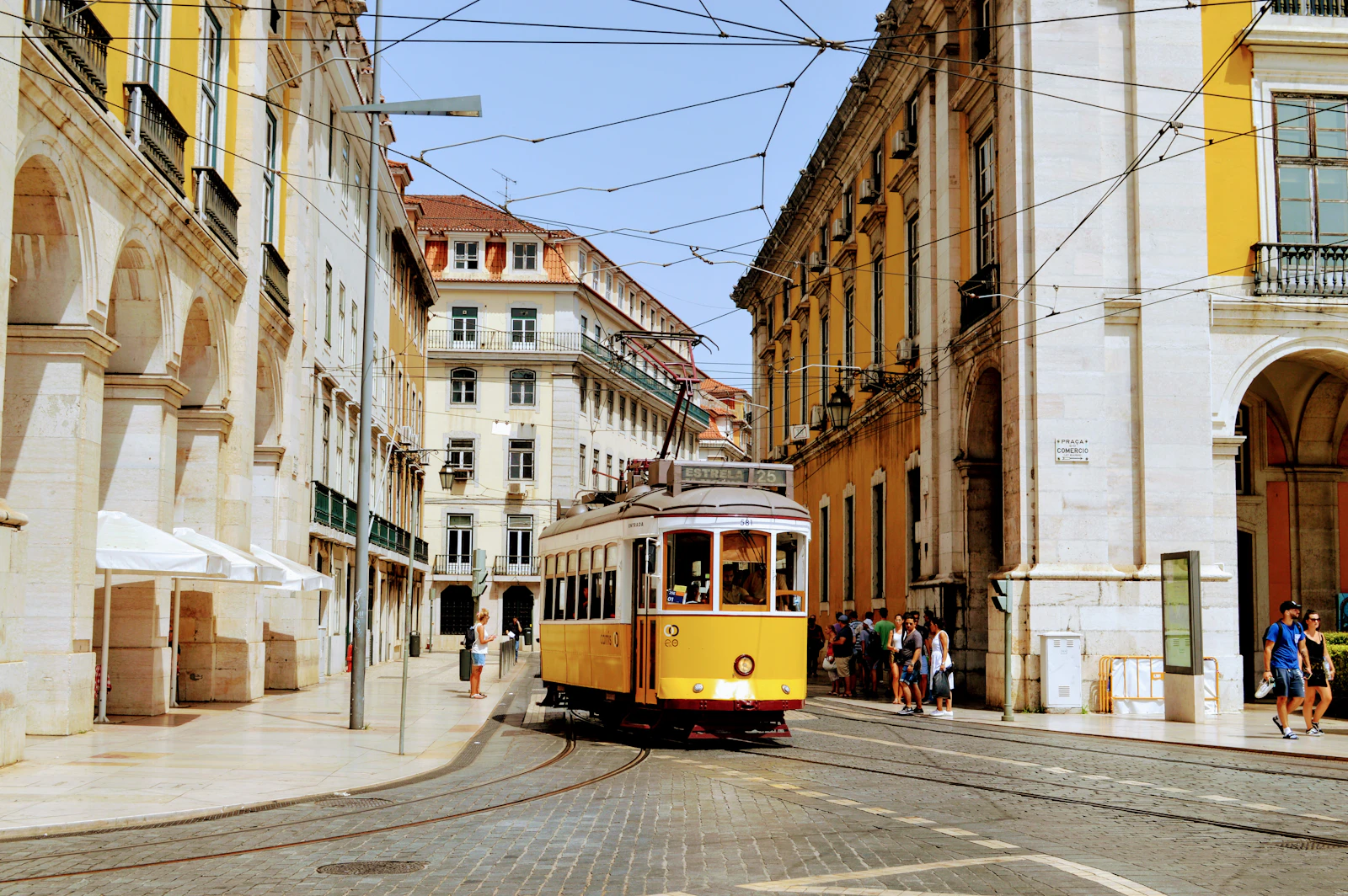
Come in spring, March to May, or early autumn, September to October. The summer heat in Lisbon is genuine, and the city handles its high-season crowds less gracefully than it handles light. In October, the skies are clear and the golden hour stretches late and warm over the Tagus. If you take Tram 28, the vintage yellow tram that threads its narrow way through Alfama and Graça, board before nine in the morning at Praça Martim Moniz, where the line originates. The views through the wooden-framed windows, the tram lurching up inclines that seem mechanically impossible, are best experienced before the heat and the crowds arrive, when the streets are still quiet and the light is still finding its angle.
ליסבון לא חושפת את עצמה לאנשים שממהרים. למדתי זאת בביקור הראשון שלי, כשבליתי שלושה ימים בניסיון לכסות את העיר באופן שיטתי, Belém, Alfama, Chiado, Mouraria, וחזרתי הביתה בתחושה שראיתי הכל ולא הבנתי כלום. בפעם השנייה הגעתי עם רשימה קצרה יותר ויותר מרחב ביום. ישבתי בבית קפה אחד שעתיים. טיפסתי על שלוש גבעות אחר הצהריים ולא עשיתי שום דבר אחר. צפיתי באור עובר על גגות הרעפים עד שצבע הכל ורוד. אז ליסבון סוף סוף נתנה לי להיכנס.
בוקר איטי: נאטה ואמנות ההמתנה
התחילי בManteigaria, ב-Rua do Loreto ב-Chiado. זו פסטלריה ותיאטרון קטן בו זמנית. דרך חלון הזכוכית בצד האחורי אפשר לצפות בהכנת פסטיש דה נאטה, הבצק נלחץ לתוך תבניות פח, הקרם נשפך, המגשים מחליקים לכבשן. ואז אוכלים אותם חמים בדלפק, מפוזרים קינמון ואבקת סוכר, עם אספרסו קצר שנקרא ביקה. פסטל דה נאטה שנאכל כשהוא לא חם הוא דבר מוקטן. כאן, בעמידה בדלפק עם ריח הקרמל עדיין באוויר, הם מעבר לכל תיאור.
אחר כך, טפסי דרך Bairro Alto או Príncipe Real ומצאי שולחן בכל בית קפה שנראה לא ממהר. הבקרים בליסבון איטיים מבנית, העיר לא באמת מתעוררת לפני עשר, ובתי הקפה שמבינים זאת מציעים בדיוק מה שצריך: הכיסא הנכון, אור טבעי, שום דבר שדורש את תשומת לבך. אם תמצאי את עצמך ליד Jardim do Príncipe Real, שבי מתחת לעץ הארז הוותיק בן מאות השנים, בין מוציאי הכלבים ופנסיונרים עם עיתונים, והרגישי את היום נעשה פחות מסובך.
שכונות: אבן ישנה ואור חדש
Alfama היא השכונה הוותיקה ביותר בליסבון, והמבלבלת ביותר, במובן הטוב ביותר של המילה. היא גדלה ללא רשת רחובות, בעקבות ההיגיון של הגבעה, וניווט בה אומר לקבל שאבדת. קבלי זאת. הרחובות צרים ותלולים, מרופדים בבתים צבועים כחול וצהוב ורוד-אבקתי, חלונות קשורים כביסה, כלובי ציפורים תלויים בפתחי דלתות. אזולחוס, האריחים הכחולים-לבנים הפורטוגזיים, מכסים לא רק פאנלים דקורטיביים אלא חזיתות שלמות של בניינים, קירות שלמים של גיאומטריה וסיפור. הם בכל מקום, והם לא מפסיקים להיות יפים.
Mouraria, ממש מתחת ל-Alfama, היא המקום שבו נולד הפאדו. היא שקטה יותר, עממית יותר, כנה יותר. נסי את Zé da Mouraria, טסקה קטנה שאין בה שום אווירה מאולצת, רק היא הנכונה: יין אדום בקנקנים קרמיים, קוזידו א פורטוגזה שמגיע בקערה נדיבה ומאדה, ארוחה שעולה כמעט כלום ומרגישה כמו ירושה.
המירדורוס: לטפס לאט
יש יותר מעשרים מירדורוס, נקודות תצפית, פזורים על פני שבע הגבעות של ליסבון. העצה שאני נותנת לכולם: אל תנסי לבקר בחמישה מהם ביום אחד. כל אחד לוקח ממך משהו ומחזיר אותו אחרת. בחרי שניים, ושהי מספיק זמן בכל אחד כדי באמת לראות.
- Miradouro de Santa Luzia ב-Alfama הוא הרומנטי, בוגנוויליה נופלת על קירות לבנים, פאנלים של אזולחוס המתארים את ליסבון לפני רעידת האדמה של 1755, נהר טאחו מבריק למרחוק כסף מוכה. חתולים מחזיקים בספסלים כאן; תני להם את מקומם ומצאי לעצמך את הקיר.
- Miradouro da Senhora do Monte ב-Graça הוא הגבוה ביותר, והכן ביותר. מרפסת פשוטה, קפלה קטנה, וכל ליסבון פרוסה מתחת ללא התנצלות: הטירה, הנהר, גשר 25 דה אבריל האדום, גבעות ארבדה נמסות בערפל מעבר למים.
- Miradouro de São Pedro de Alcântara ב-Bairro Alto הוא המסורתי ביותר, גן פורמלי עם ספסלים ומפת אריחים של העיר, ומתחתיו הנוף הדרמטי של ליסבון המרכזית לכיוון הטאחו. הגיעי בשעת הזהב, כשהאור גורם לכל דבר להיראות כמו ציור שעדיין לא קיים.
היכן לאכול
לארוחת צהריים ארוכה או ארוחת ערב מוקדמת, Taberna da Rua das Flores ב-Chiado הוא המקום שתרצי לחזור אליו לפני שעזבת את ליסבון. השף אנדה מאגאלייש מחליף את התפריט מדי יום בהתאם למה שהגיע מהשוק בבוקר. זה חדר קטן, אולי שמונה שולחנות, והאוכל הוא בסגנון פטיסקו: צלחות קטנות, משותפות, בשכבות. הזמיני מה שהמלצר ממליץ. הוא לא מנחש.
למשהו גדול יותר, Solar dos Presuntos ליד Restauradores מאכיל את ליסבון מאז 1974. קירות מרופדי עץ, מפות לבנות, ותצלומים של כל מי שאי פעם חשב לעיר מביטים מלמעלה מכל פינה. הפרזונטו, שינקן מיובש מהצפון הפורטוגזי, הוא הסיבה שאנשים מגיעים. הישארי לבקאלהאו. השתהי על כוס אלנטז׳ו אדום. זה מה שמסעדות ותיקות מיועדות לו.
ערב עם פאדו
פאדו, מוזיקת העצב היפה של ליסבון, של סאודאדה, אותו כאב פורטוגזי שאי אפשר לתרגם, חייב להישמע חי, בחדר קטן, בתוך ארוחה ובתוך קהל שמרגיש אותו יחד איתך. Mesa de Frades, קפלת מנזר לשעבר ב-Alfama שהוחללה ברעידת האדמה הגדולה, היא אולי ההגדרה המדהימה ביותר לכך: קירות מכוסים לחלוטין בפאנלים מקוריים של אזולחוס מהמאה ה-18, נרות, ומוזיקאים שגורמים לך לחוש את הצער וההכרת תודה של כל עיר שאי פעם עמדה בקצה הים והביטה אל החושך שמעבר לו.
סאודאדה אינה עצב בדיוק. זו התחושה של להחזיק במשהו אהוב כשכבר מתגעגעים אליו. ליסבון נותנת לך את התחושה הזו כלפי עצמה, ועדיין לא עזבת.
הערה מעשית
הגיעי באביב, מרץ עד מאי, או בתחילת הסתיו, ספטמבר עד אוקטובר. חום הקיץ בליסבון הוא אמיתי, והעיר מתמודדת עם קהלי השיא פחות בחן ממה שהיא מתמודדת עם אור. באוקטובר, השמיים בהירים ושעת הזהב מתארכת מאוחר וחמה מעל הטאחו. אם את לוקחת את Tram 28, הטראם הצהוב הוינטג׳י שמחרוז בדרכו הצרה דרך Alfama ו-Graça, עלי לפני תשע בבוקר בPraça Martim Moniz, שם הקו מתחיל. הנוף דרך חלונות העץ, הטראם מתנדנד על עליות שנראות בלתי אפשריות, נחווה בצורה הטובה ביותר לפני שהחום והקהל מגיעים, כשהרחובות עדיין שקטים והאור עדיין מחפש את הזווית שלו.
Questions about this storyשאלות על הסיפור
Which neighborhood should I stay in?באיזו שכונה כדאי להתארח?
Príncipe Real or Chiado for walkable cafés; Alfama if you want fado nights and hills.
Príncipe Real או Chiado לבתי קפה במרחק הליכה; Alfama אם אתם רוצים לילות פado וגבעות.
Similar slow-city trips?טיולים עירוניים איטיים דומים?
Try my 48 hours in Paris guide for a similar pace in another European capital.
נסו את 48 שעות בפריז לקצב דומה בבירה אירופית אחרת.
Is this article available in Hebrew and English?האם המאמר זמין בעברית ובאנגלית?
Yes. Use the language button in the header to switch between Hebrew and English on the same page.
כן. השתמשו בכפתור השפה בראש העמוד כדי לעבור בין עברית לאנגלית באותו URL.


